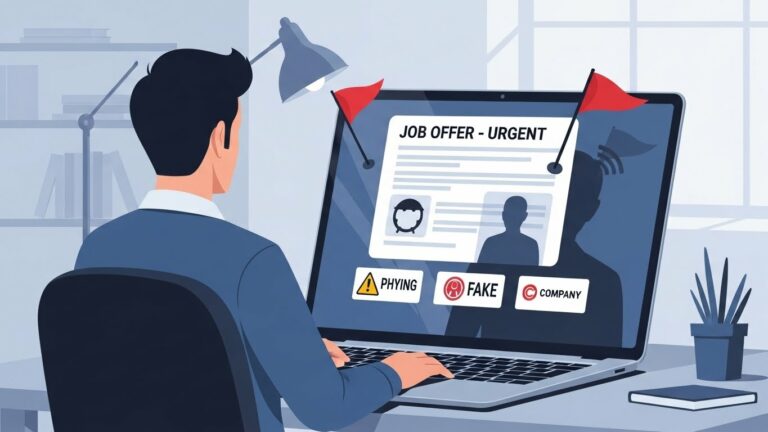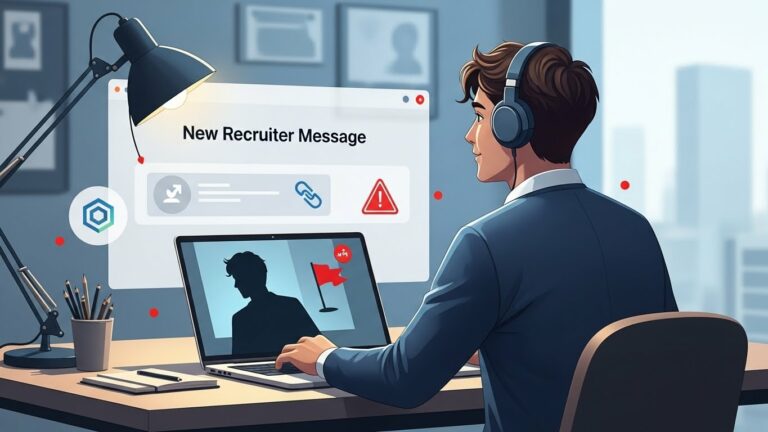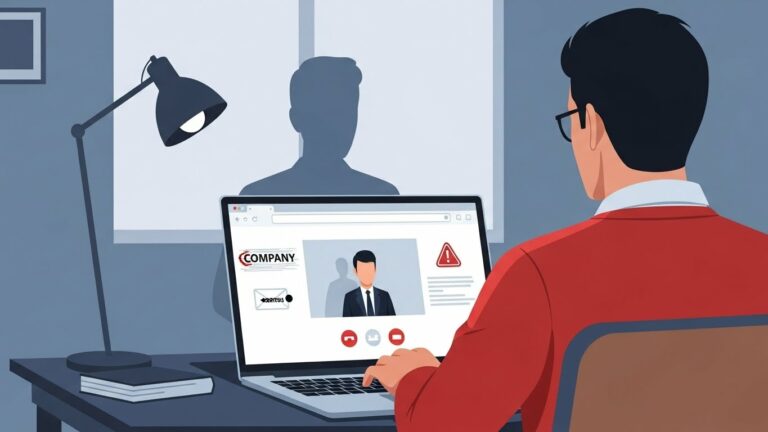
Let me tell you a story. One that starts with hope, excitement, and a sense of “finally, things are turning around”—and ends with regret, confusion, and a feeling of being completely taken for a fool. This is the story of how I got scammed during a job interview. It’s painful to revisit, but if it helps even one person avoid what I went through, it’s worth it.
You might think you’d never fall for something like this. I thought the same. But scammers today are smarter, slicker, and more convincing than ever. They play on your needs, your dreams, and your trust. And in my case, they played me like a violin. But in the wreckage, I picked up lessons—hard-earned ones—that I now want to pass on.
The Job That Seemed Too Good to Be True
It started with a job post that landed in my inbox. Remote marketing assistant. $60k starting salary. Flexible hours. No degree required. A company “rapidly expanding” and “looking for talent fast.” I was between jobs, financially stressed, and feeling the pressure. So, of course, I bit.
Everything about the posting seemed designed to hook people like me: overwhelmed, tired of rejections, and desperate for a break. It was the kind of opportunity you dream of—except dreams, when they’re too perfect, are sometimes nightmares in disguise.
They promised remote onboarding, a training allowance, and the latest gear delivered straight to my home. There was no real job description—just buzzwords and bold promises. I should have paused. But when you want something badly enough, you silence the red flags.
Red Flags I Ignored (But Shouldn’t Have)
Looking back, I cringe at how many signs were there. The company’s website looked half-finished. The email addresses were off—no company domain, just Gmail and Outlook. The grammar in the emails was strange. But I kept telling myself, “Maybe it’s a startup. Maybe they’re moving fast.”
They responded too quickly. And yet, their communication lacked structure. No phone calls. No video interviews. Just email. And when I asked specific questions about the role or the team, the answers were vague or copy-pasted.
Then came the urgency: “We need someone to start next week!” That rush to move forward is a classic trick. Scammers don’t want you to think. They want you to act—fast.
Still, I justified it all. I wanted it to be real. So I ignored every alarm bell ringing in my head.
The Interview Process: Seemed Real, Felt Off
They didn’t ask for a portfolio. They didn’t want references. The “interview” was a 30-minute conversation via Google Chat, where they just asked surface-level questions.
I never saw a face. Just a name. No video, no voice, just text. The tone felt robotic, overly formal, and oddly rushed. I chalked it up to remote culture—but deep down, I knew something wasn’t right.
They praised me a lot. Called me “impressive” and “perfect for the role” even though they knew almost nothing about me. That flattery was part of the trap.
And then, within hours of the “interview,” I got the offer letter. No second round, no technical task, nothing. Just a formal-looking PDF and instructions to sign and send back immediately.
I did. And I shouldn’t have.
The “Job Offer” That Made Me Feel Lucky
I told my friends, my family—I was excited. The contract had a real signature. The logo looked professional. They offered to send me a brand-new laptop and office chair. Said I’d be reimbursed for any work-related purchases.
It felt legit… until they said, “We’ll send you a check for your equipment. You’ll deposit it and buy the items from our approved vendor.”
Something clicked. That was weird. Why not just ship it directly?
But again, I rationalized. Maybe they have a vendor system. Maybe this is how remote work works now.
I deposited the check. The bank said it would clear in a few days. The “company” pushed me hard: “Buy the equipment now. We need to get started.”
I used my own funds, thinking the reimbursement was guaranteed.
It wasn’t.
The Moment Things Started Falling Apart
The check bounced.
I was already out hundreds of dollars. When I tried to reach out, the emails went unanswered. The “HR contact” disappeared. Their website was suddenly offline. The LinkedIn profiles I had seen? Gone.
Panic set in. I realized what had happened. I’d been scammed. Tricked. Used.
I felt sick. Stupid. Embarrassed. I didn’t even want to tell anyone. How could I? I walked right into it. I thought I was smart. Careful. But I wasn’t smart enough.
And that’s when the worst part hit: it wasn’t just about the money. It was the betrayal. The time wasted. The trust shattered.
The Financial Damage and Emotional Toll
Money comes and goes, right? But when it goes because someone manipulated you—lied to your face and tricked you with a fake opportunity—it hits differently.
I lost close to $1,200 buying “approved equipment” from a fake vendor, one that was clearly connected to the scammer. The bank eventually flagged the check as fraudulent, and I was left with nothing but debt and humiliation.
But let me tell you—the money wasn’t even the worst part.
What really got to me was the emotional toll. The self-blame. The shame. I kept thinking, “How could I fall for this?” I replayed every step in my head, wondering where I went wrong. I didn’t want to tell my family because I felt like a failure. I didn’t want my friends to know—I was afraid they’d judge me.
I started losing sleep. Job hunting, something that already felt exhausting, became terrifying. I couldn’t trust any employer anymore. Every job post looked suspicious. Every email felt like a trap.
That’s what these scams do. They don’t just steal your money—they steal your peace of mind.
How I Investigated and Confirmed It Was a Scam
Eventually, I had to face the facts. This wasn’t just a misunderstanding or a one-time mistake. It was a full-blown scam.
So I put on my detective hat.
I ran a reverse image search on the so-called “HR manager” who had interviewed me. Her photo was taken from a stock image site. That was my first real confirmation.
Then I contacted the real company the scammers claimed to be hiring for. They had no job opening. No one by that name worked there. In fact, they had a warning on their careers page about impersonators using their brand to scam job seekers.
I checked online scam reporting forums and, to my shock, found several other people sharing nearly identical experiences—with the same tactics, language, and even job titles.
It was a pattern. A system. These weren’t amateurs. These were professional con artists targeting people like me—job seekers looking for hope.
What I Should Have Done Differently
This part is hard, but necessary.
Yes, I got scammed. But if I’m being honest, there were things I could’ve done to protect myself.
First, I should’ve researched the company more thoroughly. Not just glancing at their website, but checking business reviews, looking them up on LinkedIn, seeing if their domain matched their email addresses.
Second, I should’ve asked questions—and trusted my gut. When someone avoids video calls, gives vague answers, or pressures you to act fast, something’s off. A real employer doesn’t rush you. They take their time hiring the right person.
And third, I should’ve refused to send money or buy anything upfront, especially before getting a first paycheck or signed contract confirmed by multiple sources.
It hurts to admit, but acknowledging where I slipped helps me heal—and maybe it’ll help you spot the warning signs faster than I did.
Why Scammers Are Targeting Job Seekers
You might be wondering—why is this happening so much now?
It’s simple. Desperation creates opportunity—for scammers.
The world has changed. So many people are switching careers, looking for remote jobs, freelancing, or just trying to recover after layoffs. Scammers see this vulnerability and jump on it.
Remote work especially makes it easier to hide behind screens. No office. No in-person meetings. No real addresses. It’s the perfect camouflage.
Add to that the fact that job seekers are often emotionally drained, financially tight, and anxious to land something fast—and you’ve got a recipe for exploitation.
Scammers exploit:
- Trust in job platforms like Indeed or LinkedIn
- Urgency by saying “this role will be gone tomorrow”
- Flattery to lower your guard
- Impersonation of real companies
And the worst part? They’re getting better at it. The emails look polished. The websites are convincing. The fake contracts are scarily accurate.
That’s why being informed isn’t optional anymore. It’s your first line of defense.
Types of Job Scams You Should Know
Let’s get specific. Here are some common types of job scams that are circulating today:
1. Fake Recruitment Agencies
They claim to represent big companies and ask for a “processing fee” or “training fee.” No legit agency charges job seekers for placement.
2. Phishing Job Offers
You get an offer without an interview, asking you to click a link and fill out a form. That form? It’s stealing your personal info.
3. Check Fraud Scams
They send you a check and ask you to use it to buy equipment. The check bounces, and you’re stuck with the bill.
4. Reshipping or Package Scams
You’re hired to receive and forward packages. Sounds easy, right? You’re actually helping launder stolen goods without knowing.
5. Crypto or Investment Jobs
Some “employers” offer remote trading jobs, asking you to “invest” your own money to prove you’re serious. You’ll never see that money again.
Understanding the types of scams out there is the first step to avoiding them.
How to Protect Yourself from Job Scams
So how do you keep yourself safe?
Here’s a list of strategies that can help:
- Always verify the company. Look them up on Google, Glassdoor, and LinkedIn. Reach out to real employees if possible.
- Don’t engage only via email or chat. Ask for a video interview. If they avoid face-to-face interaction, that’s a big red flag.
- Watch the language. Scammers often use awkward phrases, excessive flattery, or over-formal tone.
- Never pay to get hired. Legit employers don’t ask for money, period.
- Use scam-checking websites. Sites like BBB.org, Scamwatch, and forums like Reddit’s r/scams can help identify frauds.
- Be cautious with links. If you’re sent a link to “apply” or “onboard,” hover before you click. Is the URL legit?
Stay skeptical, even if the opportunity looks amazing.
Steps to Take if You’ve Been Scammed
Okay, so what if you’ve already been scammed—like I was? The first thing to know is this: you’re not alone, and it’s not too late to take action.
Here’s exactly what I did—and what you should do—if you’ve been caught in a job scam:
1. Stop All Communication Immediately
Cut ties with the scammer. Block their emails, phone numbers, and any other contact points. Don’t respond to threats, promises, or “follow-ups.”
2. Report the Scam
Yes, it’s embarrassing. But reporting the incident is crucial for stopping the scammers—and helping others.
- Report to the FTC (Federal Trade Commission): reportfraud.ftc.gov
- Report to your local authorities or police
- File a report with the FBI’s Internet Crime Complaint Center: ic3.gov
- Let job platforms know (Indeed, LinkedIn, etc.)—they may remove the posting and investigate
3. Protect Your Financial Accounts
If you gave out any banking information, act fast:
- Contact your bank and explain what happened
- Freeze or close compromised accounts
- Set up fraud alerts on your credit reports
- Monitor your credit for unfamiliar activity
4. Change Your Passwords
If you sent any personal info (like your driver’s license, Social Security number, or passwords), you need to:
- Change all passwords
- Enable two-factor authentication
- Consider placing a credit freeze with major credit bureaus
5. Talk to Someone
The emotional fallout is real. Don’t bottle it up. Whether it’s a friend, a support group, or an online forum—share your experience. You’d be surprised how many others have gone through it.
The quicker you act, the better chance you have at minimizing damage.
How This Experience Changed My Approach
I’ll be honest: for a while, I didn’t want to apply to another job ever again. I was shaken, paranoid, and angry.
But slowly, I realized that staying silent wasn’t helping. I had to change the way I approached job hunting—and not let the scammers win.
Now, I do things differently:
- I verify every employer, even if they seem legit.
- I insist on video interviews, no matter how “busy” they claim to be.
- I read contracts closely and take my time to sign anything.
- I ask more questions—about the team, the tools, the expectations.
- And most importantly, I listen to my gut. If something feels off, I step away.
I’ve also started sharing my story more openly. Not just to vent, but to warn others. Because if my mistake can save someone else? Then maybe it wasn’t all in vain.
This scam didn’t break me. It built me.
A Message to Other Job Seekers
If you’ve read this far, chances are you’re either job hunting or have been through something similar. Maybe you’re afraid. Maybe you’ve been burned before. Maybe you’re questioning everything.
Let me say this clearly:
You are not stupid. You are not gullible. You are not alone.
Scammers are professionals. They prey on hope, and they’re incredibly good at what they do. Falling for a scam doesn’t say anything about your intelligence—it says everything about their manipulation.
Don’t let one bad experience steal your confidence. Keep searching. Keep growing. Just do it smarter.
And if someone tries to rush you? Pressure you? Avoid transparency?
Walk away.
No opportunity is worth your safety.
FAQs
1. What should I do immediately after a job scam?
Immediately stop all contact with the scammer, notify your bank if money is involved, change all compromised passwords, and report the scam to the FTC, IC3, and job platforms. The sooner you act, the better your chance of damage control.
2. Are remote jobs more vulnerable to scams?
Yes. The rise of remote work has made it easier for scammers to hide behind fake roles. Always insist on face-to-face video interviews and verify the company independently before engaging further.
3. How do I verify if a company is legit?
Search for the company on Google, LinkedIn, and Glassdoor. Look for real employee profiles. Verify if their emails come from a company domain, not free services like Gmail. Contact the company directly using phone numbers or emails from official sources—not ones the recruiter gives you.
4. Can you recover money lost in a scam?
It’s tough, but possible. Contact your bank right away—they may be able to stop the transaction or issue a reversal. If you used a credit card, you may be able to dispute the charge. Reporting the incident increases your chance of recovery.
5. What authorities handle job scam cases?
In the U.S., contact:
- Federal Trade Commission (FTC)
- Internet Crime Complaint Center (IC3)
- Your state attorney general’s office
- Better Business Bureau (BBB)
Also report the incident to the job board where you found the listing.