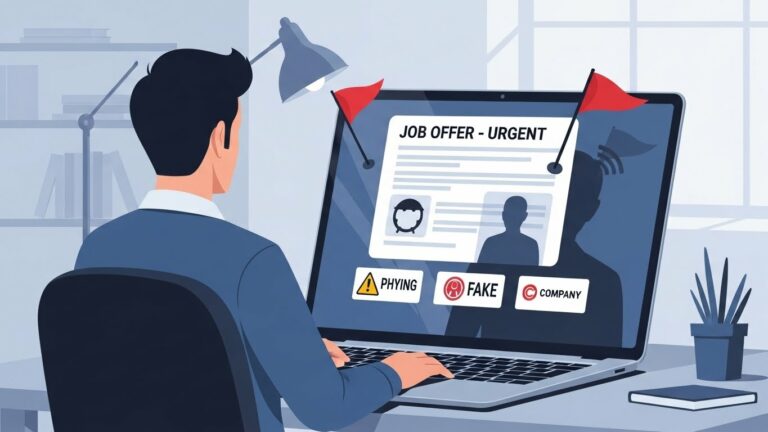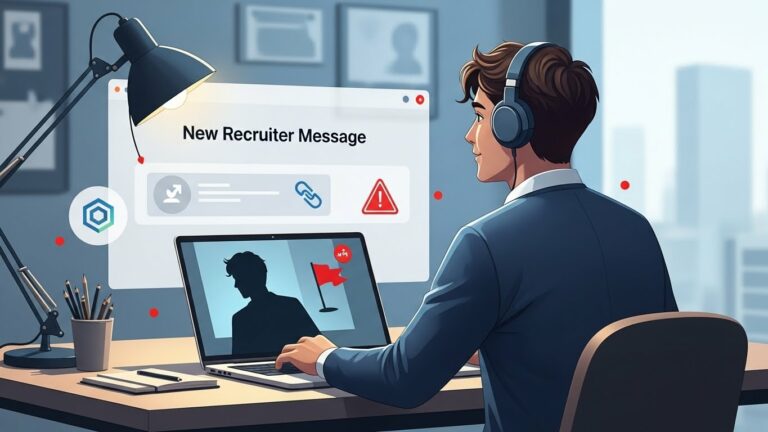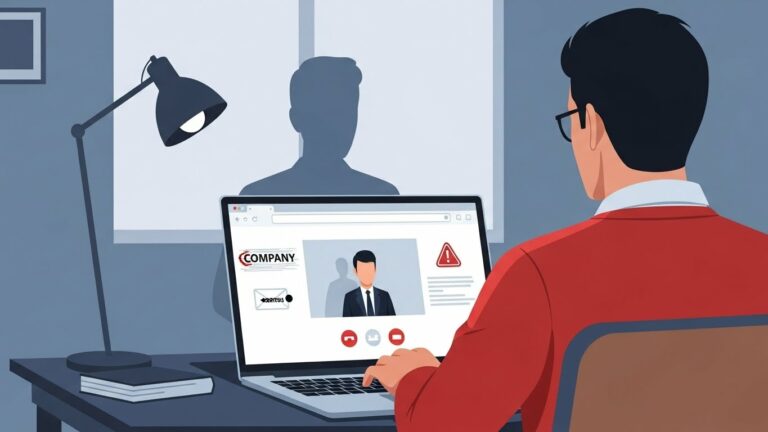
Let’s face it—job hunting in today’s digital age can be a bit like navigating a minefield. You’re putting yourself out there, hoping for the best, and then suddenly you receive an email that says, “Congratulations! You’ve been hired!” No interview, no detailed process—just a quick offer with a big salary. Sounds amazing, right? But wait—before you pop the champagne, take a closer look. It could be a scam.
Fake job offers are more common than ever. With remote work booming and more people applying for jobs online, scammers have found the perfect opportunity to trick desperate or unsuspecting job seekers. These scams can leave you emotionally drained, financially robbed, and with your personal data floating around on the dark web.
So how do you protect yourself? In this guide, we’ll break down every single red flag and teach you how to confidently spot a fake job offer before it’s too late.
Understanding What a Fake Job Offer Is
A fake job offer is a fraudulent employment offer made with the intent to deceive and exploit job seekers. Unlike legitimate offers, these are usually riddled with inconsistencies, false promises, and hidden agendas—typically aimed at stealing your money or personal information.
Scammers create fake companies or impersonate real ones, often using slightly altered names, spoofed email addresses, or even cloned websites. You might receive an email or message claiming you’ve been shortlisted, selected, or even “hired” for a role you never applied for. The goal? To get you to act quickly without thinking.
Some classic examples include:
- Offering $5,000/month for “remote data entry” jobs with no experience needed.
- Messages from so-called HR managers who can’t speak proper English.
- Emails asking you to “confirm” your bank account for direct deposit before you even sign a contract.
Bottom line: if it walks like a scam and talks like a scam—it probably is.
Too Good to Be True? Red Flags You Should Never Ignore
Ever heard the saying, “If it sounds too good to be true, it probably is”? This couldn’t be more accurate when it comes to fake job offers.
Look out for offers promising outrageously high salaries for simple roles. For example, a data entry job paying $10,000/month with no interview process or experience required. That’s a massive red flag.
Another clue? A vague or generic job description. Real employers usually provide detailed descriptions of responsibilities, qualifications, and company culture. If the job ad is something like, “We’re hiring! Apply now!” with no real info—be skeptical.
Sometimes, scammers will list benefits that sound more like a dream vacation than a job:
- Free international travel
- Guaranteed bonuses in the first week
- Flexible work hours with no set schedule
These are all designed to lure you in emotionally and bypass your logic. Don’t let the glitter blind you from spotting the trap.
Unprofessional Communication
Here’s a big giveaway: bad communication.
Scam job offers are often littered with grammatical errors, awkward phrases, and odd formatting. For example, you might see something like:
“Congratulation You have been slected for the position. Kindly proceed immediately to collect your Employment letter.”
Yikes. A legit company wouldn’t send out something that sloppy.
Also, check the sender’s email address. If it’s something like john.hiringteam@gmail.com instead of a company domain like john@companyname.com, that’s a huge red flag. No real HR team uses free Gmail or Yahoo accounts to recruit professionals.
Even their tone can feel off—too casual or overly formal in a weird way. If your gut tells you something feels strange, trust it.
No Interview or Quick Hiring Process
Imagine this: you apply for a job and get an offer just hours later. No phone call, no interview, no assessment. Just a “You’re hired!” email with a big smiley face.
That’s not just unlikely—it’s almost certainly a scam.
Real companies take their hiring seriously. They want to get to know you, evaluate your skills, and make sure you’re a good fit. When a company skips all that and rushes to offer you the job, it’s usually because they have other motives—like getting your money or identity.
Also beware of phrases like:
- “Urgent hiring, no interview required!”
- “You’ve been randomly selected for this role!”
- “We found your resume online and you’re perfect!”
Hiring doesn’t work like that. These lines are pressure tactics to get you to act fast without thinking it through.
Request for Personal or Financial Information
This one’s simple: no legitimate company asks for your bank details, social security number, or copies of your ID before a formal interview process or signing a legal contract.
If you’re asked to “verify your identity” or “set up your payment info” early on, stop right there.
Sharing these details with a scammer could lead to:
- Identity theft
- Credit card fraud
- Stolen bank funds
- Compromised personal security
Some scammers might even ask you to fill out a fake tax form or “employee onboarding document” designed to steal your identity. Always verify the source before sharing anything sensitive.
Upfront Payments and Fees
Let’s be clear: you should never have to pay to get a job.
Scammers often disguise these fees as:
- Background check fees
- Uniform or equipment costs
- Training session charges
- Work-from-home setup kits
They might say, “Once you pay this, you’ll be officially hired.” But once you send the money, they vanish—and so does your cash.
Legitimate employers invest in their employees—they don’t ask for money upfront. If someone demands payment, it’s a scam. Walk away.
Check the Company’s Online Presence
Before getting too excited about a job offer, do your homework. A real company has:
- A professional website
- Active LinkedIn profiles
- Social media accounts
- Google reviews or media presence
Check if the domain in the email matches the one on the official website. If you can’t find the company online or the website looks like it was built in 1999, be cautious.
Look out for fake company names that mimic real ones by tweaking a letter or two. For instance, “Amazzon” instead of “Amazon.” This small change can easily go unnoticed.
Verify the Recruiter’s Identity
Got a message from an “HR Manager”? Don’t take it at face value.
Hop on LinkedIn and search for the recruiter’s name. Do they really work for the company? Is their profile legit, with proper connections and history? Or does it look new and empty?
Also, pay attention to the email address again. If the recruiter is claiming to work for Microsoft but uses a Gmail account, that’s a red flag.
Real recruiters use company domain emails, and their profiles will typically match what’s listed on the company’s team page or LinkedIn.
Job Offer Letter Looks Off
Take a close look at the offer letter. Is it poorly formatted? Are the fonts inconsistent? Is the letter full of typos or lacks basic information?
Here’s what a fake offer letter often includes:
- No official company logo or incorrect one
- Unusual formatting or colors
- Generic greetings like “Dear Employee”
- Missing contact details or signature
Compare it to legitimate job offers you’ve received in the past. If it doesn’t match up, don’t ignore your instincts.
Pressure Tactics and Urgency
Scammers love to rush you. They’ll often use psychological tricks to create a false sense of urgency—because the less time you have to think, the more likely you are to fall for it.
You might see phrases like:
- “This offer expires in 24 hours!”
- “We need your documents right now to proceed!”
- “Positions are limited—secure your spot today!”
This is classic manipulation. Real companies respect your time and don’t bully you into making snap decisions. If you feel like you’re being rushed, pressured, or even threatened with losing the job unless you act immediately, hit the brakes.
The moment urgency overrides logic, you’re stepping into dangerous territory. Take your time, ask questions, and never feel guilty for double-checking the offer.
Suspicious Job Boards or Platforms
While major platforms like LinkedIn, Indeed, and Glassdoor do a decent job of filtering scams, they’re not 100% foolproof. Scammers still find ways to sneak in.
But the real danger lies in unknown job boards or sketchy websites. If you find a job listing on a site you’ve never heard of—and especially if they only ask you to apply via email—be very cautious.
Also, avoid job ads with vague domain names like:
- joboffers-247.net
- getworkfastnow.info
- hiringtoday-hr.site
These aren’t credible platforms. Even if a job seems legit, applying through these sites can expose your personal information to scammers.
Stick with reputable platforms and always apply directly through official company websites when possible.
How to Cross-Verify a Job Offer
Think you’ve received a suspicious offer? Don’t panic—verify it before you decide.
Here’s how to double-check:
- Search for the company online. Does their website match the one listed in the email?
- Call the company directly. Use the phone number on their website (not the one given in the suspicious email).
- Check LinkedIn. Search for the company and recruiter. Are they legit? Are other employees connected?
- Google the email address. Many scam addresses have already been reported online.
- Look up scam lists. Use websites like Scamwatch, BBB Scam Tracker, or Reddit threads to see if others have received the same offer.
It only takes a few minutes to do your due diligence, and it could save you from a serious scam.
Report the Scam
If you’ve spotted a scam or (worse) fallen for one, don’t stay silent. Reporting helps prevent others from becoming victims.
Here’s where and how to report a fake job offer:
- United States: Report to the Federal Trade Commission (FTC) at ReportFraud.ftc.gov
- UK: Use Action Fraud at actionfraud.police.uk
- Canada: Report to the Canadian Anti-Fraud Centre at antifraudcentre-centreantifraude.ca
- Global job platforms: Report directly to sites like LinkedIn, Indeed, or Glassdoor.
- Local police: Especially if you lost money or shared sensitive information.
Even if you’re embarrassed, remember—you’re not alone. Thousands of people get scammed every year, and your report could save someone else.
Tips to Stay Safe When Job Hunting
Let’s wrap this up with some quick, practical tips to keep you safe:
- Never pay for a job. Ever. Period.
- Use official channels. Apply only through company websites or trusted job boards.
- Keep your resume clean. Don’t include your full address, birthday, or sensitive details unless required.
- Create a professional email. Avoid mixing personal and professional emails. Keep job hunting separate.
- Don’t overshare. If something feels off, don’t provide ID copies, bank details, or any confidential information.
- Use antivirus software. Scammers sometimes send infected attachments with job offers.
- Trust your instincts. If it feels wrong, it probably is.
And remember—job hunting is already stressful. Scammers prey on desperation and hope. Stay smart, stay skeptical, and always take a moment to verify before you hit “reply.”
Conclusion
Job scams are getting more sophisticated, and the digital hiring world can sometimes feel like the Wild West. But you’re not powerless. The more you know, the safer you are. Learning how to spot a fake job offer is your best line of defense.
From unprofessional emails to upfront payments, rushed decisions, and shady platforms—these are all warning signs. Pay attention to them. Take your time. Do your research.
It’s okay to be excited about a job offer. But it’s even more important to be cautious.
Stay sharp. Stay safe. And trust your gut.
FAQs
1. Can scammers use real company names to trick me?
Yes, and they often do. They’ll clone websites, use similar email domains, and even list real company names to build trust. Always verify with the official company site or call them directly.
2. What if I already gave my information to a scammer?
Act fast. Contact your bank, freeze your credit, report to authorities, and change passwords. The quicker you act, the better your chances of damage control.
3. Are LinkedIn jobs always safe?
Not always. While LinkedIn is generally reliable, scammers can still post fake listings or message you directly. Always cross-check job listings and recruiter profiles.
4. How can students avoid job scams?
Students are often targeted due to lack of experience. Use university career services, avoid offers that require payment, and always involve a parent, mentor, or advisor if you’re unsure.
5. What should I do if I fell for a fake job offer?
Report it immediately. Notify your bank, update your passwords, and monitor your credit. You can also file a report with the FTC, your local police, or the platform where you found the job.