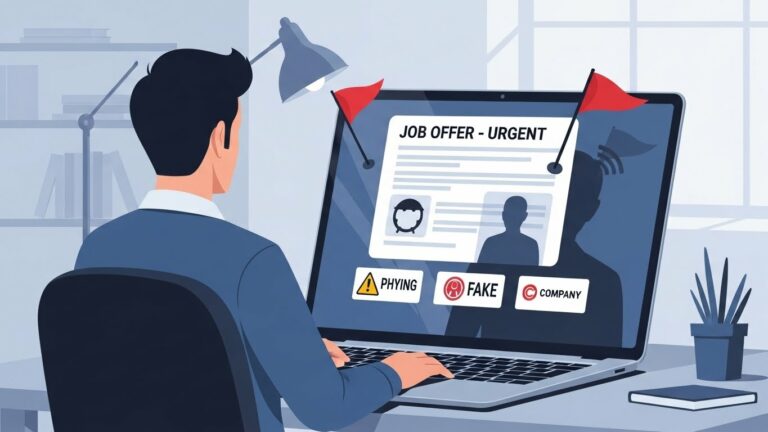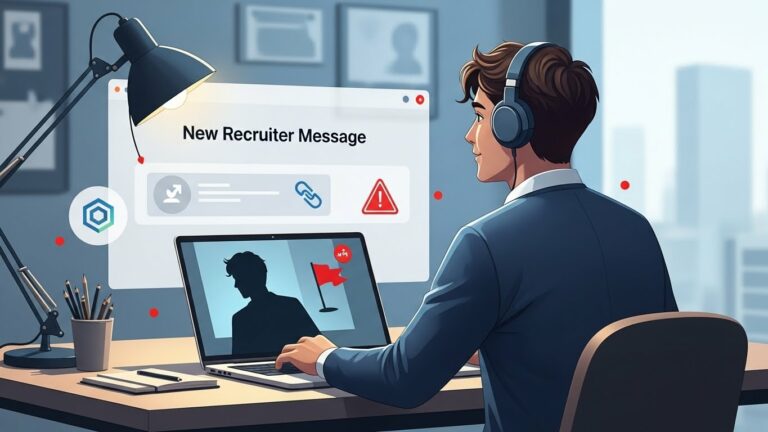
Job hunting is already stressful enough, right? Add in a recruiter who throws up more red flags than a Formula 1 race, and suddenly you’re questioning everything. We’ve all been there—you’re excited about a job opportunity, only to find the recruiter fumbling through details, dodging basic questions, or rushing you into decisions.
Here’s the thing: recruiter interviews aren’t just about getting you into a job. They’re your first line of defense against wasting your time, landing in a toxic environment, or stepping into a role that’s not right for you. So, knowing what to look out for? Yeah, it’s essential.
In this guide, we’re diving deep into the most common—and sometimes subtle—red flags you need to watch for in recruiter interviews. Whether you’re a first-timer or a seasoned professional, this list is your personal radar system to avoid shady job situations.
Why Paying Attention to Recruiter Red Flags Is Crucial
Recruiters are meant to be your allies in the job search journey, but not all of them have your best interests at heart. Think of it this way: would you trust a tour guide who doesn’t know the way? Then why trust a recruiter who’s giving you bad directions?
Spotting red flags early can save you from:
- Wasting weeks on interviews for roles that aren’t real or suitable
- Accepting offers from companies with toxic work cultures
- Missing out on better opportunities because you were misled
And let’s be real—your time is valuable. Every email, call, or Zoom meeting with a recruiter should bring clarity, not confusion. When you start noticing inconsistencies, pressure tactics, or communication gaps, it’s not just a coincidence—it’s a sign.
Listening to your gut during recruiter interactions is more than intuition; it’s experience telling you something’s off. And ignoring it? That’s where most people slip up.
Lack of Knowledge About the Role
Have you ever asked a recruiter a basic question like, “What are the day-to-day responsibilities?” and got hit with silence or vague fluff? Yeah, that’s a huge red flag.
A recruiter who doesn’t understand the role they’re pitching is like a real estate agent selling a house they’ve never been inside. How can they match the right candidate if they don’t know the details?
Here’s how you can tell the recruiter is clueless about the role:
- They can’t explain what tech stack, software, or tools are used
- They repeat the job description word-for-word with no elaboration
- They dodge technical questions or say “I’ll get back to you” too often
This lack of understanding usually means one of three things:
- They didn’t get a good brief from the hiring manager.
- They’re just pushing out resumes to meet quotas.
- The company itself doesn’t know what it wants.
None of those are good signs. You want someone who can help you make informed choices. A good recruiter can break the role down, relate it to your experience, and show genuine enthusiasm when there’s a match.
Vague or Evasive Job Descriptions
You know that feeling when you’re reading a job post or talking to a recruiter, and nothing actually makes sense? It’s like they’re using 100 words to say absolutely nothing.
Here’s what that often looks like:
- Buzzword soup: “dynamic, fast-paced, synergetic team player needed for disruptive role”
- Zero details on team structure, project goals, or KPIs
- No clear reporting line or growth path
When you ask for specifics like:
- Who will I report to?
- What does success look like in this role?
- What’s the team size?
And the answers are vague like “It’s evolving” or “We’re figuring that out”—run.
These are signs that either the role isn’t well-defined, or the recruiter doesn’t care enough to get you real answers. Either way, you’re flying blind, and that’s not how you make career decisions.
So ask tough questions. A good recruiter will appreciate it. A bad one will deflect, stall, or confuse.
Pushy or Aggressive Behavior
Ever had a recruiter say, “We need your answer by the end of the day,” or “Don’t worry about the details, just send your resume”? That’s pressure, not partnership.
Pushy behavior shows up in many forms:
- Urging you to apply for roles you’re unsure about
- Pushing you to lower your salary expectations
- Dismissing your concerns about the job or company
Here’s the deal: when someone is trying to rush you through the process without giving you room to think, it’s not about your success—it’s about theirs.
Most of the time, this happens because:
- They’re chasing commissions or placement goals
- They know the role isn’t ideal but want to fill it fast
- They assume you’re desperate for a job and will say yes to anything
Whatever the reason, that’s not a recruiter you want in your corner. Your career decisions deserve time, clarity, and honesty. If they can’t provide that, thank them and move on.
Overpromising and Underdelivering
“Six-figure salary!” “Remote forever!” “Unlimited PTO!”—sounds like a dream, right? Until you get the actual offer and it’s nowhere near what was promised.
Overpromising is a classic bait-and-switch tactic:
- Telling you about perks that don’t exist
- Saying the role is remote, only to find it’s hybrid or in-office later
- Promising fast-track promotions or unrealistic timelines
This isn’t just annoying—it’s unethical. And it often means the recruiter:
- Didn’t clarify the details with the hiring manager
- Is bending the truth to get you through the door
- Is masking bigger issues with the company
You can prevent this by keeping notes of every promise and clarifying:
- “Is that guaranteed, or pending?”
- “Can I get that in writing or part of the offer?”
If they start backtracking or getting defensive, that’s your sign to bounce.
Poor Communication and Unresponsiveness
Nothing kills momentum in a job search faster than a recruiter who disappears after the first call. If you’ve ever been ghosted after what seemed like a promising conversation, you’re not alone—and that’s a red flag you should never ignore.
Signs of poor communication include:
- Taking days (or weeks) to respond to your emails
- Ignoring your questions entirely
- Providing inconsistent or contradictory information
- Dropping off the face of the earth after saying, “I’ll get back to you tomorrow”
This doesn’t just signal a lack of professionalism—it’s a sign that either the recruiter is overwhelmed, disorganized, or simply not that invested in your candidacy. And if the recruiter is working directly with the hiring company, it could also reflect how that company communicates internally. Yikes.
Job searching is stressful enough without having to chase someone for basic info. You deserve timely updates, honest feedback, and follow-through. If you’re getting radio silence or feeling like you’re doing all the work, take it as a cue to step back and reconsider the relationship.
Disrespect for Your Time
Imagine rearranging your entire schedule for an interview call, only for the recruiter to show up 15 minutes late—or not at all. Frustrating, right? That kind of disregard for your time speaks volumes.
Other red flags in this category include:
- Constantly rescheduling meetings at the last minute
- Booking calls outside your preferred availability
- Keeping you waiting without any heads-up
- Canceling interviews without explanation
These behaviors may seem small in isolation, but they add up. Respect is a two-way street, and if a recruiter can’t respect your calendar during the early stages, how do you think things will go down the line?
Even worse, if this kind of time-wasting continues into the hiring process with the company itself, it can signal internal chaos, poor planning, or a lack of value placed on employee experience.
You’re not just a number. Your time, just like your talent, deserves to be respected.
No Transparency About Salary or Benefits
Let’s be blunt—salary matters. So do benefits. If a recruiter dodges your compensation questions with phrases like “Let’s cross that bridge later” or “We’re still figuring it out,” be cautious.
Transparency issues show up as:
- Refusing to share salary range until the final stage
- Vague answers about benefits, equity, or bonuses
- Avoiding questions about vacation, parental leave, or health coverage
The reason this matters is simple: if you don’t know the compensation upfront, how can you make informed choices about whether the role is worth pursuing?
Sometimes recruiters hide this info because:
- The salary is lower than market rate
- They fear you’ll lose interest too early
- They simply haven’t been given the full package details
None of these are acceptable. A good recruiter will be upfront about the numbers—or at least provide a reasonable range—so you don’t waste your time. If you’re met with avoidance or vague promises, ask yourself: what else are they not telling you?
High Turnover Mentions or Signs
Here’s a pro tip: if a recruiter says, “This is a new role because we’re growing rapidly,” that’s great. But if they say, “This role has opened up a few times recently,” and dodge your follow-up questions? That’s a flashing red light.
High turnover is often a sign of:
- Poor leadership
- Lack of career growth
- Burnout culture
- Dysfunctional team dynamics
If the recruiter hesitates when you ask, “Why is this role open?” or “How long did the previous person stay?”, they might be hiding a revolving-door situation.
Dig deeper. Ask:
- “How long do people typically stay in this team?”
- “What’s the average tenure at the company?”
- “Why did the previous person leave?”
Watch their body language, tone, or email language—if they’re scrambling for answers, there’s probably something they don’t want you to know. Better to find out now than two months into a toxic job.
Negative or Defensive Answers
Recruiters should be confident and open when answering questions. But if they get defensive when you ask about things like work-life balance, company values, or team dynamics? Something’s off.
Common signs of this red flag:
- Getting short or irritated when you ask “hard” questions
- Saying things like, “Well, it’s not that bad,” or “Every job has its downsides”
- Trying to pivot the conversation quickly or change topics
You’re interviewing them as much as they’re interviewing you. A recruiter who bristles at honest questions probably knows there are issues they don’t want to admit—or they’re just not used to being challenged.
A good recruiter welcomes your questions, even the uncomfortable ones. They’ll appreciate that you’re being thoughtful about the opportunity. If they shut down or spin your concerns into something dismissive, take that as your cue to proceed cautiously—or not at all.
No Clear Hiring Process
One of the biggest red flags is a recruiter who can’t explain the next steps. You’re left wondering:
- How many interviews will there be?
- Who will I be speaking with?
- What’s the decision timeline?
If the process keeps changing—or worse, if there’s no process at all—it usually means the company doesn’t have its act together.
Other warning signs:
- Inconsistent interview formats
- No timeline for decisions or next steps
- Getting ghosted after multiple interviews
You deserve clarity and structure. An unclear process can mean internal confusion, misalignment between departments, or simply poor organization. And none of those lead to a smooth onboarding or a great workplace experience.
Before moving forward, always ask:
- “Can you walk me through the hiring process from here?”
- “What’s the typical timeline for this role?”
If they can’t give you a straight answer, take it as a serious red flag.
Recruiter Has No Relationship With the Company
If you’re working with a third-party recruiter, pay attention to how well they actually know the company. Are they just tossing your resume over the wall, or are they a trusted partner with inside info?
Here’s how you can tell:
- They don’t know who the hiring manager is
- They can’t answer questions about company culture
- They’ve never placed anyone there before
This kind of disconnect puts you at risk of:
- Getting your resume submitted without consent
- Being misrepresented to the employer
- Applying for roles that don’t match your skills
A reputable recruiter has built relationships with the companies they represent. They’ll know who’s hiring, what the team needs, and what kind of candidates thrive there. If they’re just forwarding job links and crossing fingers, you’re better off applying directly.
Misaligned Job Expectations
Another subtle but serious red flag is when what the recruiter says doesn’t match what the job actually is.
Examples include:
- Saying it’s a “management” role, but the job is mostly execution
- Promising remote work, but requiring regular office visits
- Claiming high-level strategy involvement, but expecting you to be hands-on 24/7
This misalignment can result from:
- Miscommunication between the company and recruiter
- Intentional overselling
- Lack of clarity from the hiring team
Whatever the cause, you shouldn’t be expected to mold yourself to a role that doesn’t fit your goals. Always ask for the full job description, and don’t ignore your gut if something feels “off.”
Aligning expectations early ensures you don’t end up in a role that feels like a bait-and-switch.
Disregard for Your Career Goals
Let’s say you tell a recruiter, “I’m looking for a creative role with long-term growth,” and they keep sending you sales jobs. Annoying, right?
When recruiters push opportunities that don’t align with what you want, it’s clear they’re prioritizing their pipeline, not your path.
Watch out for:
- Recommending roles you clearly said you’re not interested in
- Pushing you toward roles just because they’re urgent
- Ignoring your location, salary, or work-life balance needs
A great recruiter listens to your goals and tailors their suggestions. A bad one hears what they want and fits you into any job they can.
You’re not here to do them a favor. It’s your career. You call the shots.
Company Culture Concerns
Sometimes, a recruiter will give you little glimpses into the company’s culture—and they might not even realize it. Listen closely when they talk about:
- Leadership style (“The CEO is very… intense”)
- Turnover (“We’re always hiring!”)
- Work-life balance (“It’s a fast-paced environment!”)
These are subtle hints that might signal burnout culture, micromanagement, or instability.
Don’t be afraid to ask culture-fit questions like:
- “How would you describe the management style?”
- “What’s the team dynamic like?”
- “What do people usually say when they leave?”
The recruiter’s reaction—and their willingness to be honest—tells you everything you need to know.
Conclusion
By now, it should be crystal clear: not all recruiters are created equal. Some are true allies, genuinely invested in helping you land the right job. Others? Not so much. They might be working under pressure, chasing commissions, or just plain careless—and it shows in how they treat candidates.
When you notice red flags in recruiter interviews, it’s not about being picky or paranoid—it’s about protecting your time, energy, and future. You owe it to yourself to be selective, ask hard questions, and walk away when things don’t feel right.
Remember, a recruiter is often your first peek into what a company might be like. If they’re messy, pushy, evasive, or inconsistent, chances are the hiring company is too. That’s not a situation you want to walk into blindfolded.
So, what’s the takeaway here? Trust your instincts. Listen closely. And don’t settle. You’re not just looking for a job—you’re looking for the right job, with the right people, under the right conditions. And the right recruiter will help get you there, not stand in the way.
FAQs
1. How can I politely exit a conversation with a recruiter showing red flags?
You don’t owe anyone your time if things feel off. Politely say something like, “Thank you for the opportunity, but I don’t think this is the right fit for me at the moment.” Keep it short and professional—no need to explain more than that.
2. Are all third-party recruiters untrustworthy?
Not at all. Many third-party recruiters are fantastic at what they do. The key is how well they know the company and how transparently they communicate. Ask questions about their relationship with the employer and how they’ve worked together before.
3. What’s the biggest red flag I should never ignore?
Ghosting or inconsistent communication. If a recruiter can’t keep you updated or follow through, it’s a major red flag—not just about them, but potentially the employer too. Respect is foundational.
4. Is it okay to ask a recruiter about company culture or turnover?
Absolutely. You’re making a major life decision. Questions like, “Why did the last person leave this role?” or “What’s the team dynamic like?” are completely fair—and insightful. A good recruiter welcomes them.
5. Should I report a recruiter who misrepresents a job or company?
Yes, especially if it’s a repeat offense or you were misled into interviews under false pretenses. If it’s an internal recruiter, consider contacting HR. If it’s a staffing agency, report them to their company or on professional platforms like LinkedIn or Glassdoor.